Replaced Jobber with a platform built around septic rounds, not generic jobs.
Jobber is built for one-off home-service jobs. Yorkshire needed recurring tank cycles, tanker routes planned around capacity and waste type, access notes for every lid, and duty-of-care tickets for what left the site.
Before
- Jobber
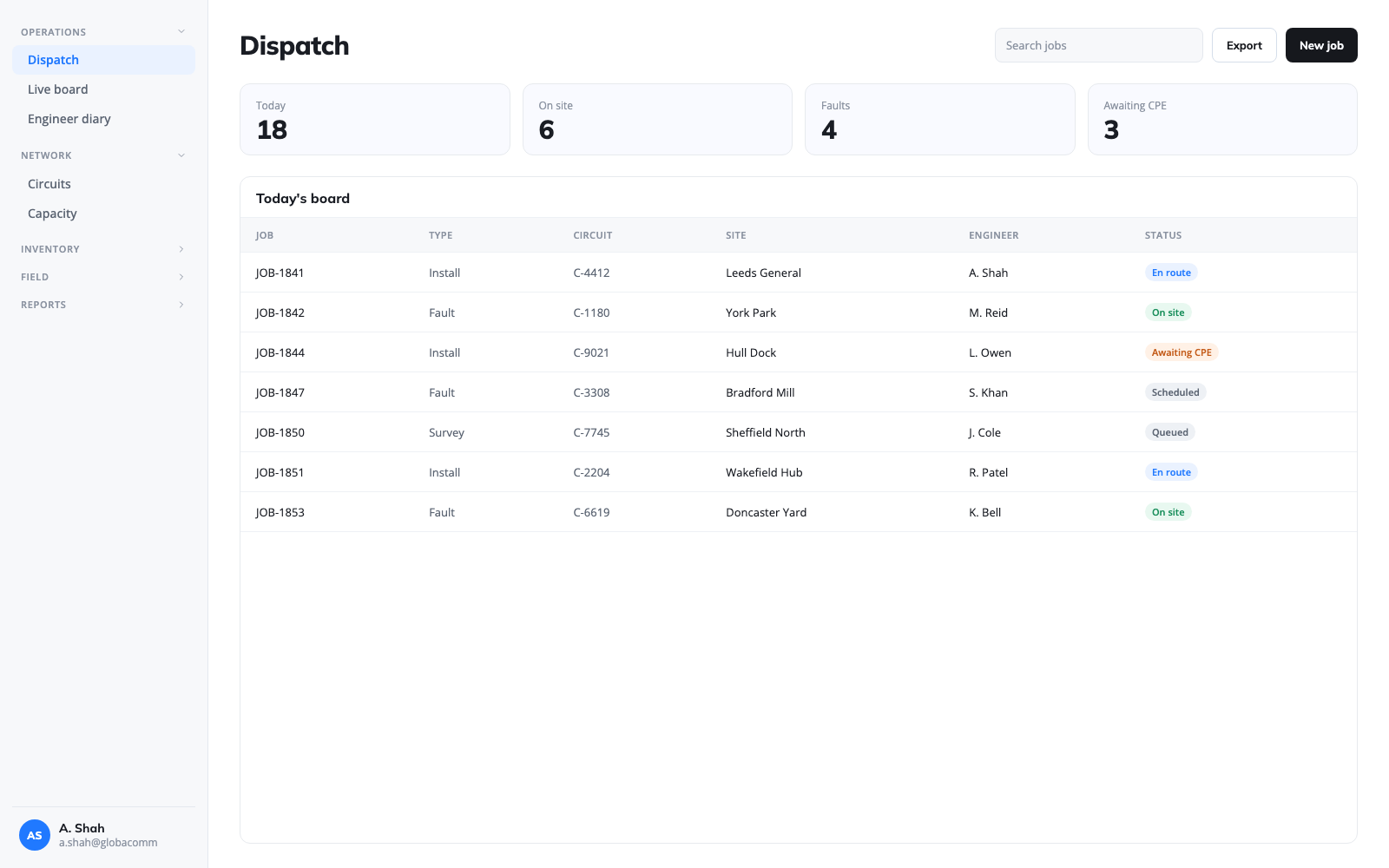
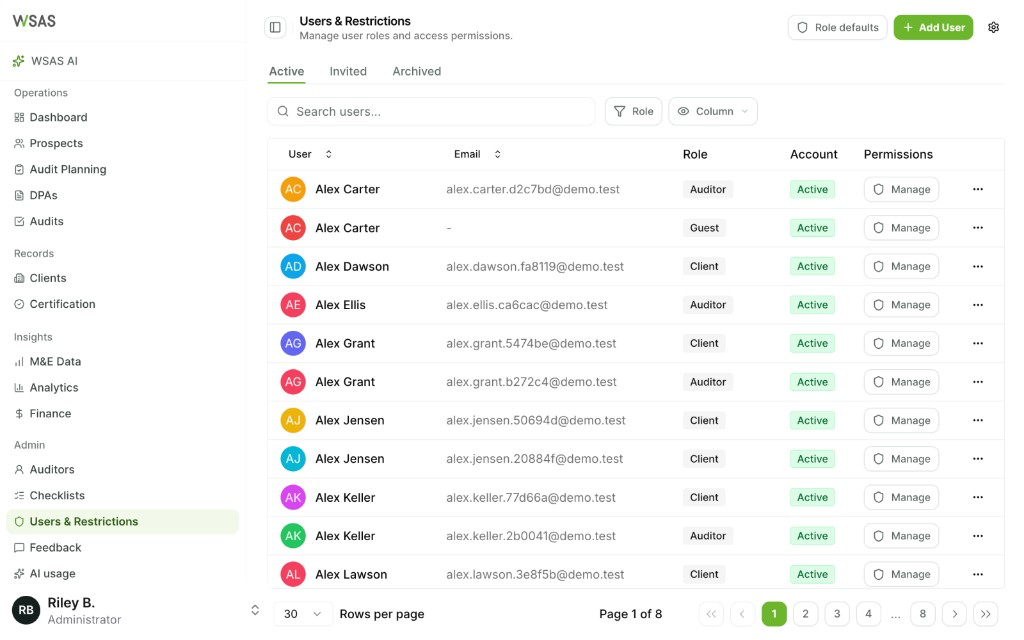
Ran the diary and invoicing. Built for a visit that starts and ends, so a tank on a recurring cycle had to be re-entered every time.
- Zapier
Stitched Jobber to spreadsheets for routes and duty-of-care records. When a zap failed, the paperwork just went missing.
After
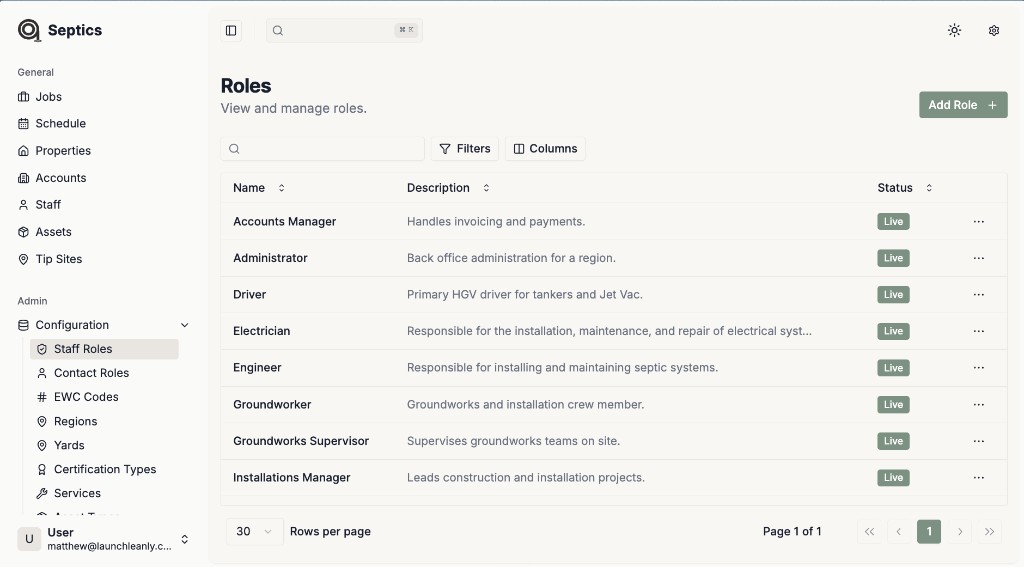
Recurring tank cycles, routes planned around capacity and waste type, and duty-of-care tickets now live on one tank history.
Tank cycles, not one-off jobs
Jobber is built for a visit that starts and ends. Yorkshire runs recurring cycles. The product keeps each tank on its own rhythm so the next empty is already on the board.
Planned around capacity and waste type
A tanker is not a van with a calendar. Routes have to respect what the vehicle can carry and what it is allowed to take, not just who called first.
Access notes for every lid
The person at the tank needs the note that was left last time. Access, lids, and what left the site sit on the same record, including on a phone away from the office.
One history for every lid
Empties, inspections, and overflow call-outs no longer live in separate tools. The office and the tanker read the same tank.
How we did it
- We learned the round: which tanks are due, what the tanker can hold, and what has to be written down at the lid.
- We built the product around tanks and cycles, not a generic home-service job.
- Empties, inspections, and overflow call-outs share one history the office and the tanker can both open.